
Choosing an architect for a custom home comes down to three things: shared taste, clear communication, and a willingness to work with your builder early. The portfolio tells you whether you like the work. The conversations tell you whether you can survive a year of decisions together. And the way an architect treats the builder tells you whether your design will hold up once the budget and the site get a vote.
I build custom homes in Boulder County, so I see this from the other side of the table. Here is what I look for in an architect, what I would ask before hiring one, and how the good collaborations actually run.
Start with fit, not the trophy shots
A portfolio is the first thing you will look at, and it should be. But read it for the right things. Anyone can shoot a hero image at dusk. What you want to know is whether the homes feel like the people who live in them, or like the same house wearing different clothes.
Look for range. An architect who does one look well is fine if that look is yours. An architect who adapts to the client and the site is rare and worth more. Look for restraint, too. A good architect disappears into your life. A weaker one signs every room.
Then set the photos down and pay attention to how the person talks. You are about to spend a year or more making decisions with them. Taste gets you in the door. Temperament is what you actually live with.
The signals worth reading
Once the work clears the bar, the useful signals are behavioral. These are the ones I watch for as the builder who has to turn the drawings into a house:
How they treat constraints. Budget, slope, setbacks, county review. Do they see limits as the enemy, or as the material they shape the design around? The second kind is who you want.
Whether they document. Clear, complete drawings save you real money in the field. Thin drawings get filled in by guesses, and guesses get expensive.
How they talk about the builder. Partner or vendor? An architect who wants the builder in the room early is telling you they care more about the finished house than about protecting the drawing.
Whether they listen. In the first meeting, count how much time they spend presenting versus asking. The ratio tells you a lot.
A quick way to test the constraint signal: describe a real limit from your own project and watch the response. Tell the architect your budget, or that the lot drops away at the back, and see whether they get more curious or more careful. The ones who lean in, who start sketching how the slope could become the best room in the house, are the ones worth hiring. Constraints are where good design actually happens.
None of these show up in a photograph. All of them show up in a conversation.
Questions to ask before you hire
Interview the architect the way you would interview anyone you are trusting with a large, long, personal project. You are not being difficult by asking hard questions early. A good architect expects them and answers straight. A few questions worth asking directly:
Who will I actually work with, you or an associate, and how often will we meet?
What happens when a design comes back over budget? Walk me through the last time that happened.
When do you want the builder involved, and why then?
How do you charge, and what does your role look like once we are in construction?
Can I talk to two past clients whose projects were about the size and complexity of mine?
The budget question matters most. Every ambitious design eventually meets a number. What separates architects is what they do next: hold the vision and find the savings, or hand you a problem and wait.
Bring your builder in early
Here is the part most people get backward. The common path is to hire the architect, finish the design, then take the completed drawings out to builders for a price. It feels orderly. It usually costs you.
By the time the design is finished, the expensive decisions are already made. Say the drawings assume a structure or a site approach the budget cannot carry. You find out at the worst possible moment, after months of design work. By then the only options left are to cut the thing you loved or blow the budget.
When the builder is in the room early, that does not happen. We can price ideas while they are still ideas. We can flag the site issue before it becomes a redesign. Early involvement is not about the builder taking the wheel from the architect. It is about protecting the ambitious idea from the pressures that would otherwise quietly shrink it. I wrote more about that in how great projects are built before construction begins, and it is the single biggest reason a design survives contact with reality.
What a good collaboration looks like
The best projects I have worked on share a rhythm. The architect leads the design and owns the vision. The builder brings cost and constructability into the conversation from the start. Nobody guards their territory, because everyone is building the same house.
That rhythm is why I spend time with architects even when we are not on a project together. I have had several on our podcast, including Harvey Hine of HMH Architecture and Nick Fiore, because I learn from how they think and the relationships make the next project better. When the architect trusts the builder and the builder respects the architect, the client stops being a referee and gets to be a client.
Practically, that looks like the builder reviewing drawings as they develop, not after they are done, and a shared budget both sides can see and update as decisions get made. The architect calls the builder about a detail before it is drawn. The builder calls the architect before changing anything in the field. Small habits, but they are the difference between a project that flows and one that fights itself.
You can feel this in the first month. If decisions move, if questions get answered, if the budget conversation is honest, you have the right team. If it feels like a negotiation, it will feel that way for a year.
A note on building in Boulder County
Boulder adds its own weight to this decision. Sloped sites, mountain lots, wildfire and water considerations, and a county review process that does not rush. An architect who knows the local ground and the local rules saves you time you cannot get back. One who does not will learn on your project, on your schedule. Ask a prospective architect what they have built in the county and how they handled review. The answer tells you whether local process is something they navigate or something they dread.
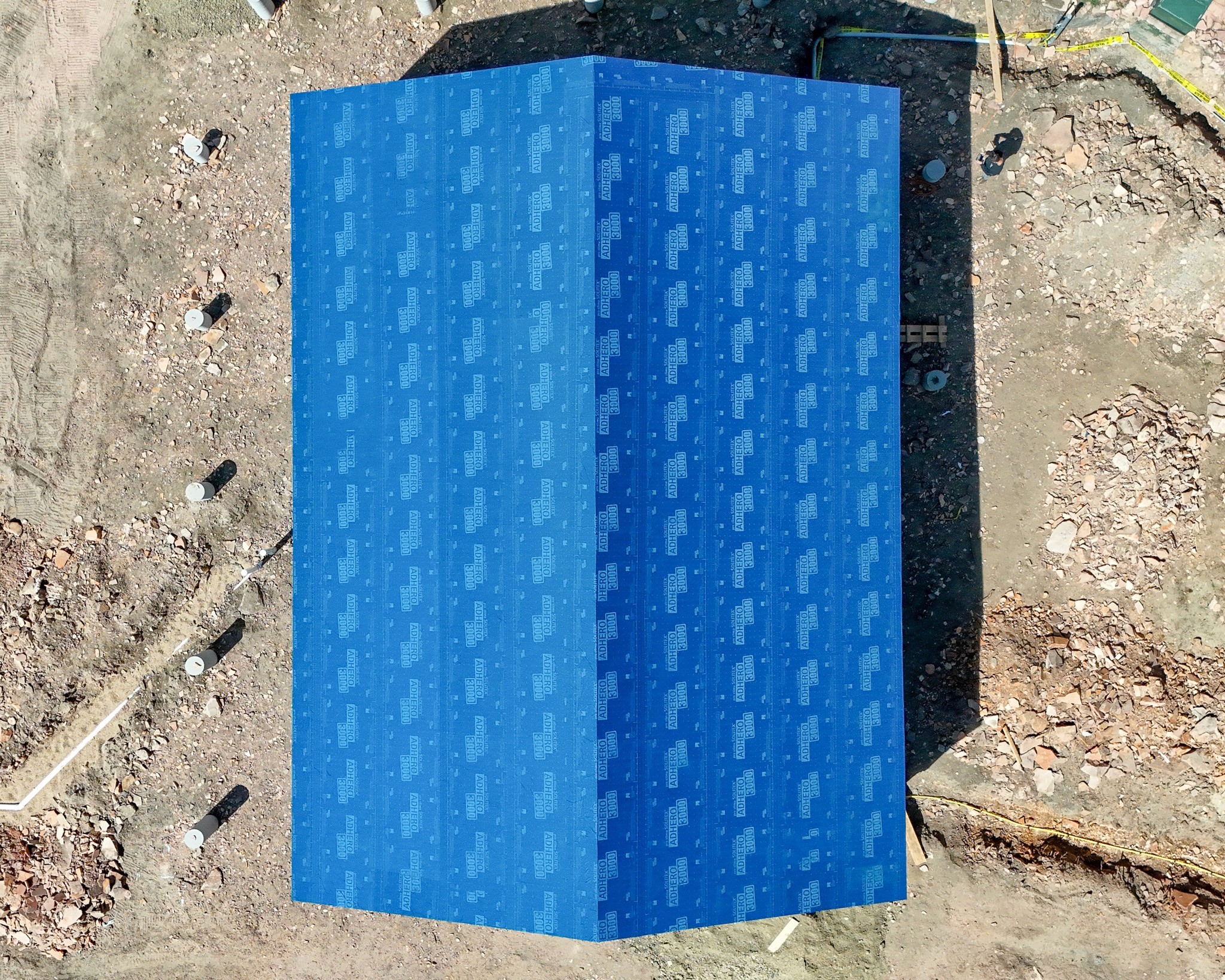
The Ridge House site from above, Lyons, Colorado.
This is also where early builder involvement earns its keep. Site access, water supply, and permitting realities shape what is buildable here long before anyone picks a finish. Getting the architect and the builder aligned on those constraints at the start is not a formality in this county. It is the difference between a design that gets built and one that gets value-engineered into something you did not want.
Choose the architect for the relationship as much as the renderings. You are not buying a set of drawings. You are choosing the person you will make a thousand decisions with, and the one whose judgment you will lean on when the easy answers run out. Get that right and the rest of the project gets easier.


